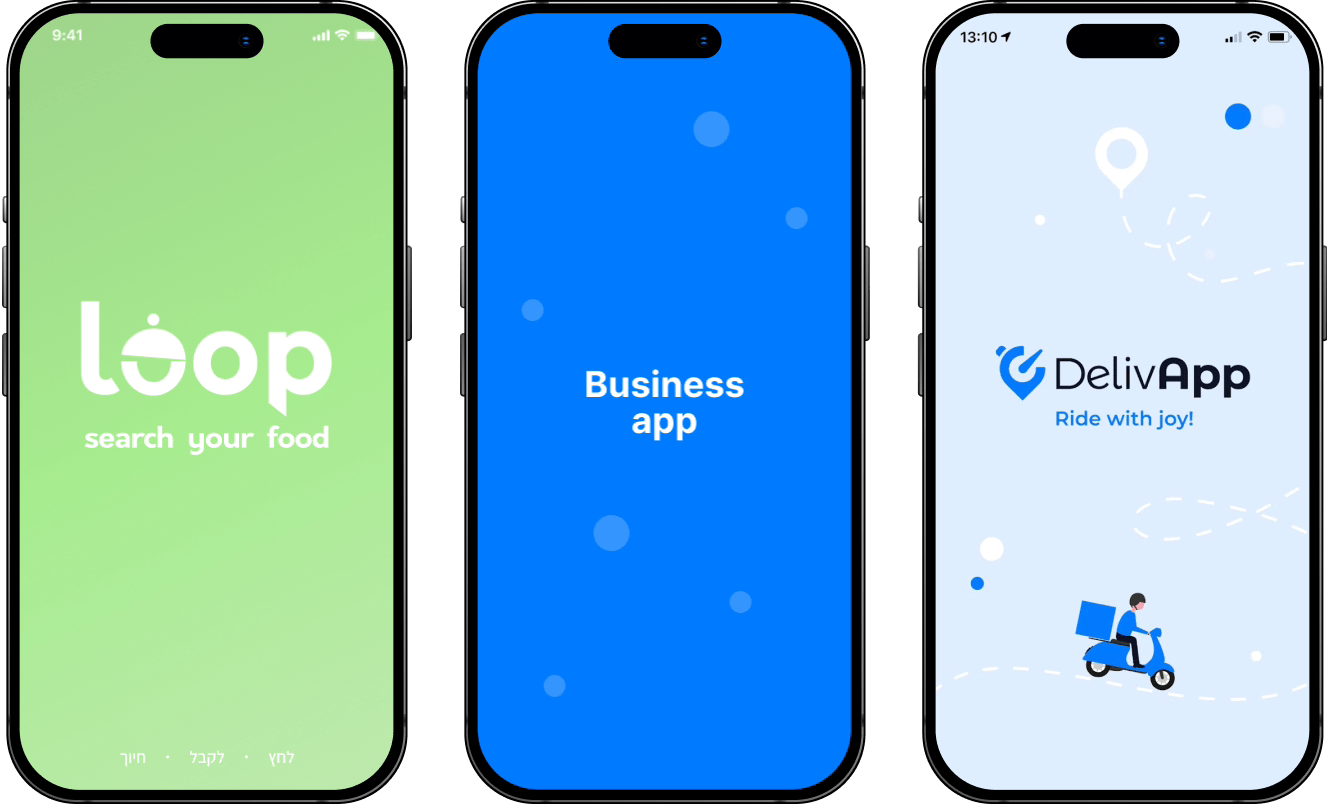
Israeli delivery service Solo, Loop, Business App, DelivApp.
MOBILE APPS
SOFTWARE
Requirements
The client’s primary requirement was to develop an app that supported all business processes related to ordering and delivery of goods and services. The app’s service providers included businesses such as restaurants, flower shops, grocery stores, and others. Therefore, the app’s core architecture and UX needed to be fairly generic. The app needed to implement the full online shopping cycle: from selection to order tracking by location.
Branding
Front-end
Design
Support
Front-end
Support
Design
Branding
Technology stack
React Native
Roam.ai
.NET
Hermes
Firebase
REST API
TypeScript
WebSockets
React Native
TypeScript
Firebase
.NET
Hermes
Roam.ai
WebSockets
REST API
Analysis and proposal
The project was fully implemented by our team. The client provided the concept and key functional requirements, and we brought them to life. During the discussions, we defined the application’s core principles, which will help the client scale the solution across all business areas.
Functionality and design
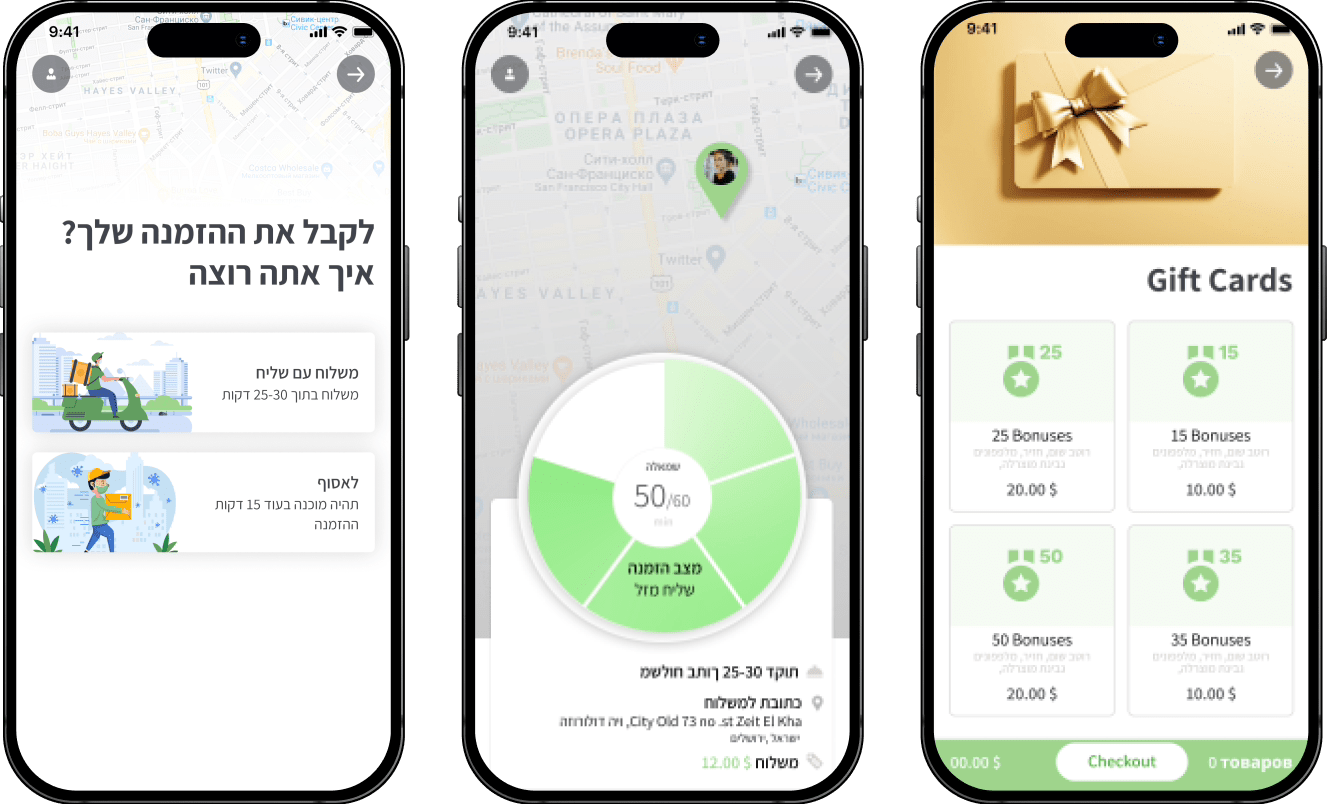
The decision was made to develop three integrated applications, each with functionality that would address the needs of one of the three parties involved in the purchase/sale/delivery process. The first was designed for the end consumer and inventory management. The second, for the merchant’s business processes (order processing and payment collection). The third, for managing customer order delivery.
The app is developed using white label technology and can be used by any number of vendors, each of whom can customize it in terms of branding and content. To ensure efficiency and a successful user experience, we’ve divided the entire transaction process into three apps. For example, if a vendor only needs order processing, they don’t need to implement or use the delivery feature.
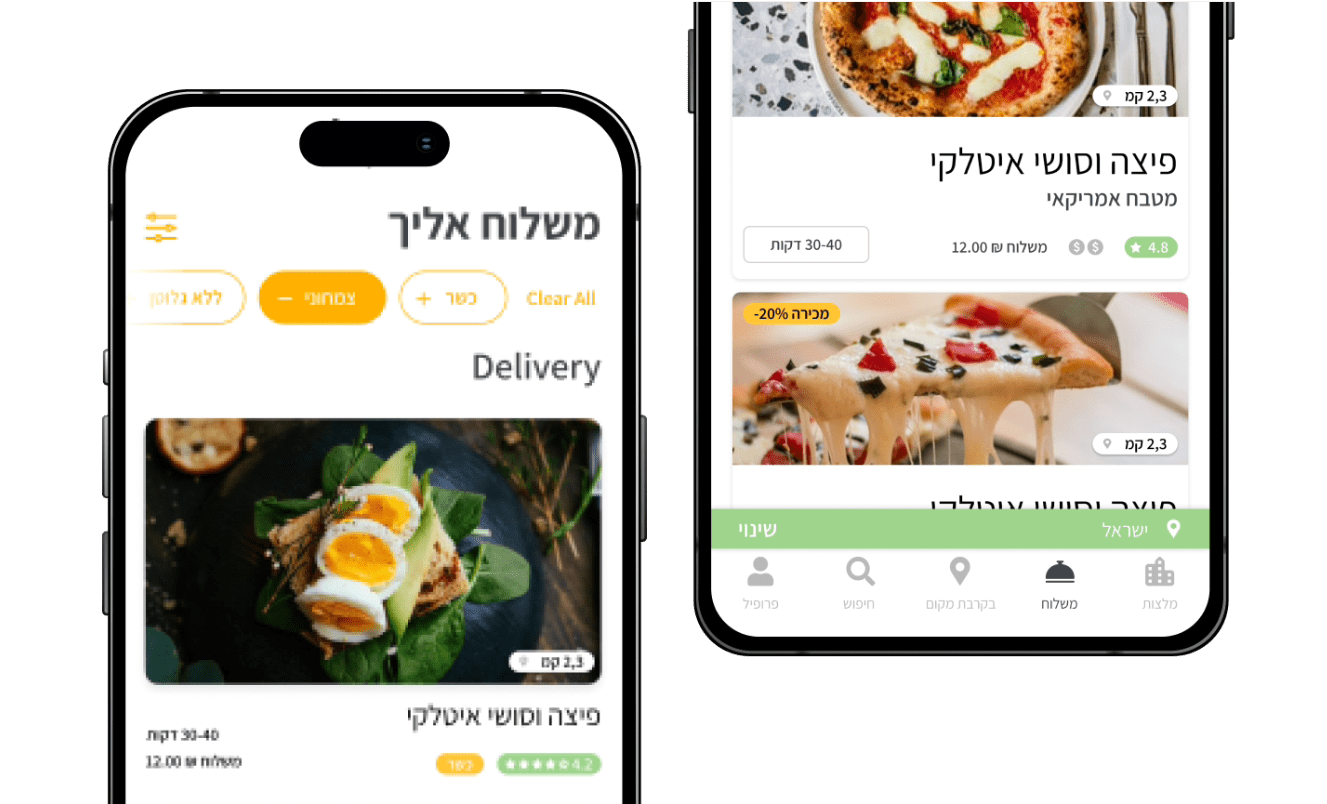
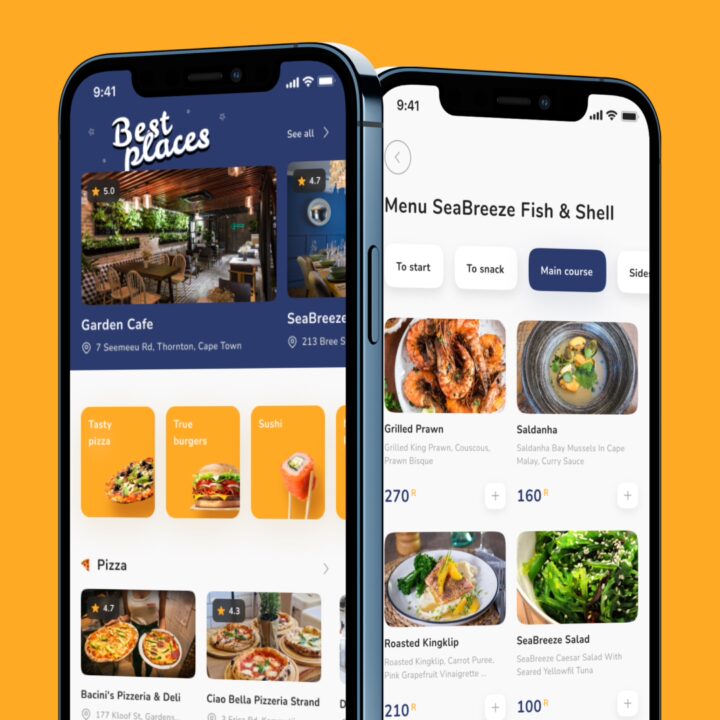
Each business independently adds product items in the form of product cards containing images, descriptions, prices, shipping costs, and ratings, appropriate for their business.
We also implemented a delivery status feature using mapping technology to display the physical location of goods in transit. Order processing was implemented with Stripe integration for payment acceptance. We also used this technology to enable merchants to create discount and gift certificates for sale and use in the app by end consumers.
Additional features have also been implemented to enhance the user experience, such as an infinite feed, deep linking for easier navigation, the addition of coordinates to the Image API to optimize on-screen display, and resource caching to improve performance.
When connecting a new vendor, an optional chat SDK package can be activated, which the administrator can add to the delivery service for direct communication between the end client and the service provider.
International market readiness was also a requirement for the project, so many nuances were taken into account during technical planning. For example, language specifics. The first app was released in Hebrew, so in addition to adding the necessary character sets, we also had to consider LTR (left-to-right) functionality. This feature was taken into account during the user interface design phase.
Vendors also gain access to the management system through a dedicated web application for administrative processes. This allows them to customize their product catalog, manage content, analyze business performance, and communicate with both clients and colleagues.
Additionally, we developed a module for WordPress so that the entire order/delivery ecosystem could be linked to the sales website.
Conclusion
As a result, we developed three integrated applications for the client. Each provides functionality tailored to the vendor’s needs and can be complemented by others to support the entire process. The flexible technical principles applied in the project for configuration, inventory management, style, and branding have led to widespread international recognition. Our client received a ready-made technology that is rapidly gaining popularity among its vendor clients.
The project was worked on
Business Analyst
Graphic Designer
Front-end developer
Mobile developer
DevOps Engineer
QA Engineer
Project manager
Business Analyst
DevOps Engineer
QA Engineer
Front-end developer
Project manager
Mobile developer
Graphic Designer
INDIVIDUAL CONSULTATION
WE WORK WITH BUDGETS FROM 10,000 EUR. THIS IS ENOUGH TO IMPLEMENT THE BASIC FUNCTIONALITY OF THE PRODUCT AND ITS FURTHER DEVELOPMENT.